Tournament Dynamics Fueling Coin Type Interactions in Handheld Sweepstakes Events
Ellis Friedrich · Oct 12, 2026

Tournament Dynamics Fueling Coin Type Interactions in Handheld Sweepstakes Events
Handheld sweepstakes platforms organize tournaments that rely on distinct coin categories to manage entry requirements, progression metrics, and reward allocations while operators track player activity across mobile networks. These systems separate promotional coins from standard play tokens so that tournament brackets can enforce eligibility rules without disrupting regular session balances and data from platform analytics shows consistent separation of these categories improves tracking accuracy during peak hours. Observers note that coin type distinctions become especially visible when events run simultaneously on multiple devices because each category carries different conversion rates and expiration timers that influence how participants allocate resources throughout a bracket.
Mechanics of Coin Differentiation During Bracket Progression
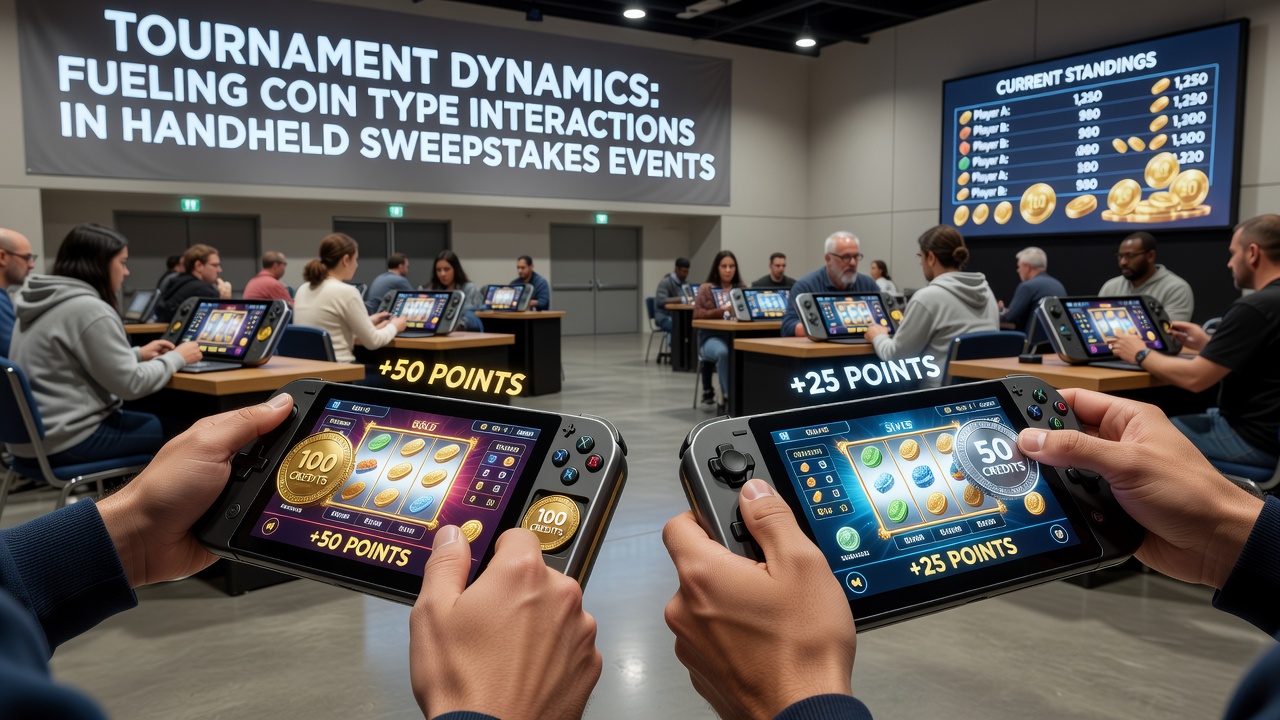
Entry fees in many handheld tournaments draw from one coin pool while in-round performance bonuses accumulate in another and this separation lets organizers apply scaling multipliers without retroactively altering initial stakes. Research indicates that platforms using two or more coin layers report higher completion rates for multi-round events because players can preserve promotional balances for later stages rather than exhausting them early. Those who monitor transaction logs find that coin type interactions intensify when time-limited challenges appear mid-tournament since certain tokens unlock bonus rounds only when paired with specific entry coins and such pairings create temporary spikes in engagement data recorded across regional servers.
Regional Patterns Observed in October 2026
During October 2026 several North American operators introduced synchronized tournament windows that aligned with international sporting calendars and these periods produced measurable shifts in how players exchanged coin types on handheld devices. Figures from industry monitoring services reveal that cross-border participants increasingly transferred promotional balances into tournament-specific tokens to meet minimum entry thresholds while standard coins remained reserved for practice modes. The pattern emerged because handheld interfaces displayed real-time conversion previews that highlighted value differences between coin classes and users responded by adjusting strategies within the same session.
Platform logs also document that European-based events scheduled in the same month adopted similar layering approaches after regulatory updates clarified reporting requirements for promotional versus paid currency flows. Australian gaming associations have published summaries showing comparable structures in their markets where coin type segmentation supports compliance with local prize disclosure rules without interrupting tournament flow on mobile networks.
Data Patterns Linking Coin Interactions to Tournament Duration
Analytics teams examining session lengths report that tournaments lasting longer than ninety minutes tend to generate more coin type switches per participant because extended brackets allow for multiple prize distribution cycles and each cycle often converts accumulated performance tokens back into entry-eligible currency. One study released by the Canadian Centre for Gaming Research tracked several thousand handheld sessions and found that players who maintained separate reserves for each coin category completed an average of 1.8 additional rounds compared with those who consolidated balances early. These outcomes appear in aggregated reports rather than individual case studies yet they illustrate how structural separation influences overall participation volume.
What's interesting is the way interface design reinforces these behaviors through visual cues that highlight remaining balances in each category and such cues prompt users to time their conversions around bracket resets. Industry organizations including the American Gaming Association have noted similar trends in quarterly summaries although they emphasize aggregate metrics over specific platform mechanics.
Operational Adjustments Operators Make to Coin Systems
Backend teams adjust multiplier tables and expiration schedules so that coin interactions remain balanced across different tournament formats and these adjustments often occur in response to observed traffic patterns during high-volume periods. Data shows that when one coin type accumulates faster than another operators may temporarily increase conversion thresholds to prevent bottlenecks at the final bracket stages. Handheld users encounter these changes through updated tooltips that explain new ratios and the updates typically roll out between event cycles rather than mid-tournament to avoid disrupting active brackets.
Regulatory bodies in multiple jurisdictions require clear documentation of these adjustments so that prize pool calculations stay transparent regardless of how many coin layers participate in the event. Observers tracking October 2026 deployments noted that platforms incorporated additional audit fields for coin type transitions precisely to meet these documentation standards while maintaining smooth mobile performance.
Conclusion
Tournament structures on handheld sweepstakes platforms continue to evolve through deliberate separation and controlled interaction of coin categories that support entry rules, progression tracking, and reward distribution. Available figures from research institutions and gaming associations demonstrate measurable effects on session completion and resource allocation without prescribing any particular design approach. Operators maintain these systems by monitoring transaction patterns and applying targeted adjustments that align with both technical performance and external reporting obligations across regions.